
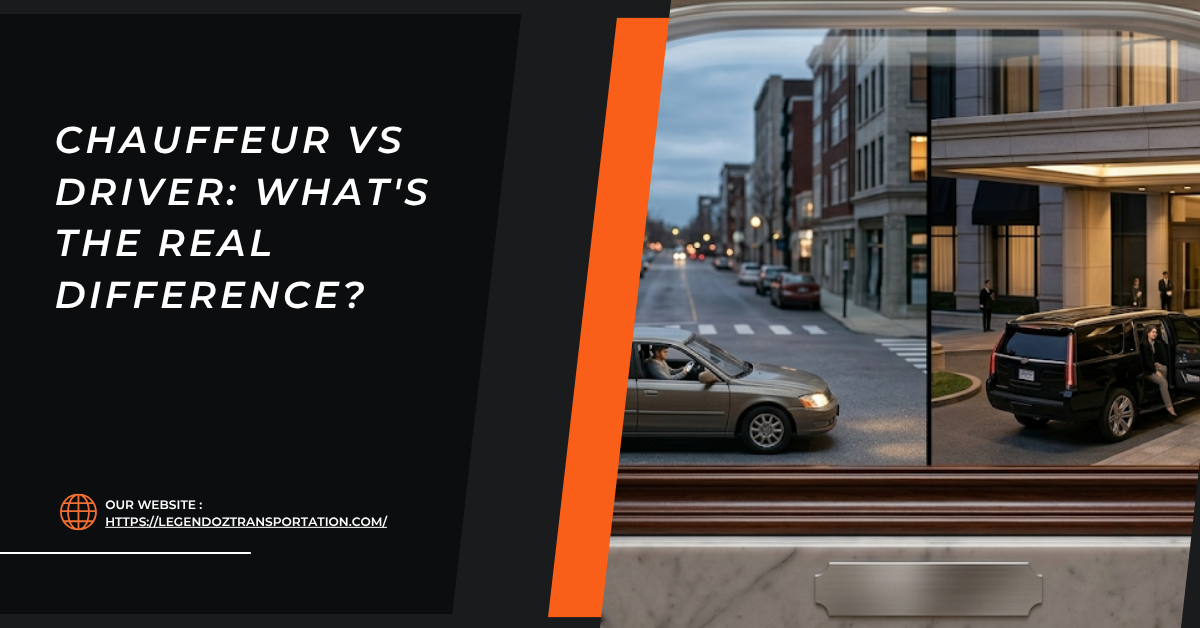
Most people use “chauffeur” and “driver” as if they mean the same thing. They don’t. The difference goes well beyond the title.
A driver gets you to your destination. A chauffeur turns the ride itself into part of the experience, with training, etiquette, and service standards a regular driver isn’t held to.
For Detroit executives, brides on their wedding day, or anyone hosting VIP guests, that distinction matters. Here’s what actually separates the two.
What Is a Driver?
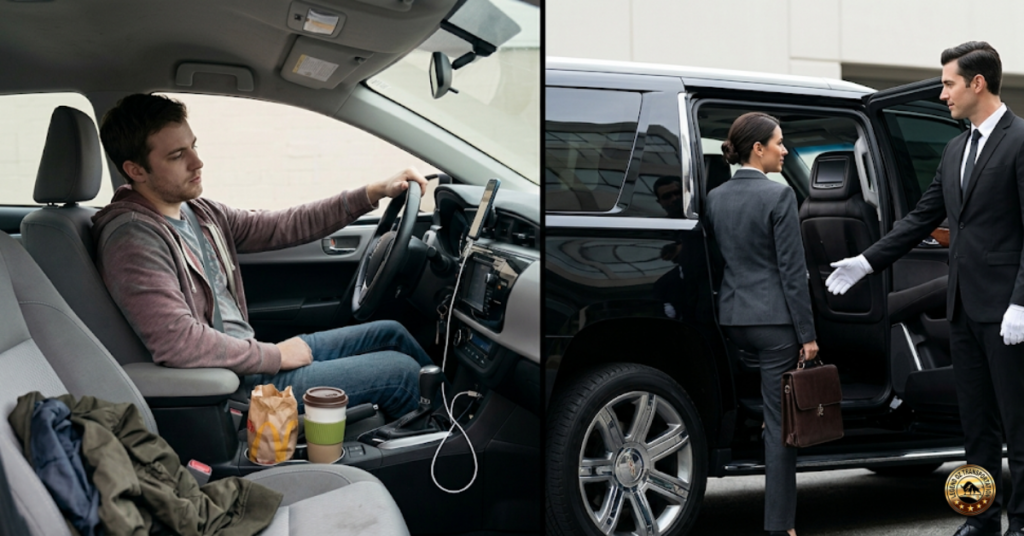
A driver is anyone licensed to operate a vehicle and transport people from one place to another. The role is straightforward: pick up, drop off, repeat.
This category covers rideshare drivers, taxi drivers, and personal drivers hired for routine errands. Most need only a standard driver’s license, with the focus on the trip itself rather than the experience around it.
What Is a Chauffeur?
A chauffeur is a professionally trained driver whose job blends safe transportation with hospitality. The role is built around the passenger, not just the route.
Chauffeurs go through background checks, defensive driving courses, and customer service training. They wear formal attire, handle luggage, and drive premium vehicles like Cadillac Escalades that are maintained to a much higher standard than typical commercial cars.
Chauffeur Vs Driver: 7 Key Differences
The gap between a driver and a chauffeur shows up in seven specific areas.
1. Training and Certification
A standard driver’s license and basic clearance to drive for hire is usually the bar for drivers. Chauffeurs go further, completing defensive driving, safety training, and customer service certifications, with thorough background checks before hiring at companies like Legend OZ Transportation.
2. Vehicle Quality
Rideshare and taxi drivers use whatever vehicle they have available, so quality varies wildly from one ride to the next. Chauffeurs operate consistently maintained luxury fleets like Cadillac Escalades, executive black SUVs, and stretch limousines.
3. Dress Code and Presentation
A standard driver might show up in jeans and a t-shirt. There’s no formal requirement.
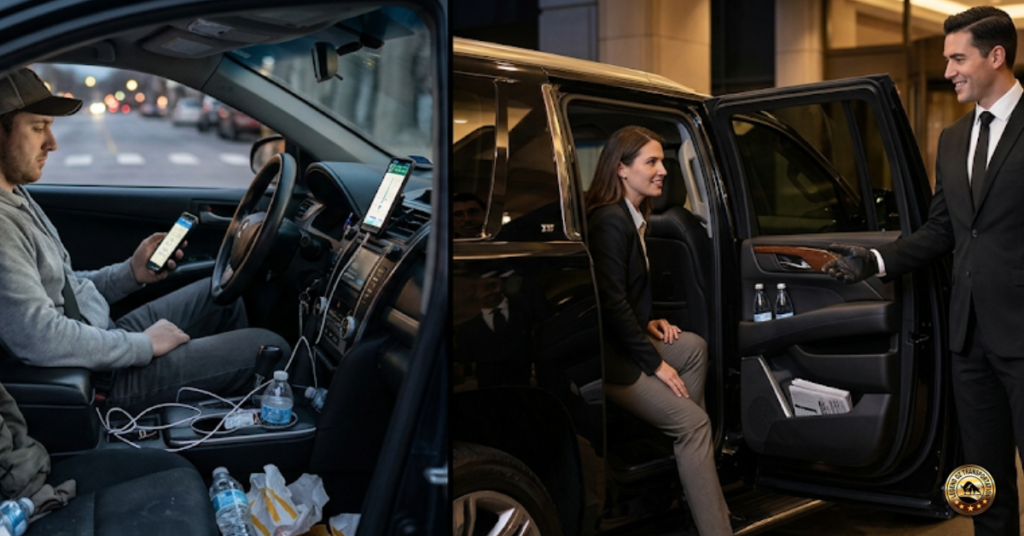
Chauffeurs wear suits, formal attire, or company uniforms. Presentation matches the level of service, which matters when picking up a CEO or arriving at a wedding venue.
4. Service and Etiquette
Drivers transport you, and that’s where the service typically ends. Chauffeurs add another layer:
- Open and close passenger doors
- Assist with luggage at both ends
- Offer bottled water and amenities
- Stay silent when you need to work or take calls
- Adjust climate and lighting on request
5. Punctuality Standards
Rideshare and taxi drivers can run late, cancel last-minute, or get rerouted by app algorithms. There’s no real accountability beyond a star rating.
Chauffeurs arrive 10 to 15 minutes early as standard practice. Pre-booked service means the time and vehicle are reserved specifically for you.
6. Privacy and Discretion
Drivers may chat through the ride, take phone calls, or stack passengers in shared rides. Chauffeurs are trained in discretion, knowing when to make polite conversation and when to stay quiet so you can take a confidential call without interruption.
7. Booking and Reliability
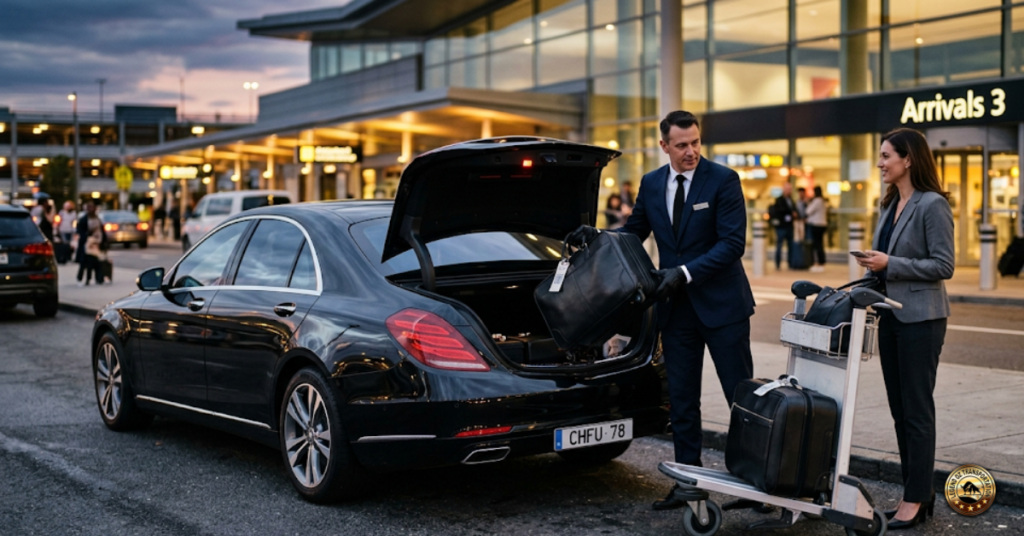
Rideshare drivers depend on app availability and real-time supply, which means surge pricing, cancellations, and unfamiliar routes are common frustrations. Chauffeur services work on advance bookings with guaranteed vehicles, named drivers, and confirmed pickup times.
When Should You Hire a Chauffeur Instead of a Driver?
A regular driver works fine for casual rides and everyday errands. But for situations where reliability and professionalism matter, chauffeur service is the better call.
Hire a chauffeur for:
- DTW airport transfers, especially for executives or VIPs
- Corporate meetings and client pickups
- Weddings, proms, and milestone events
- Multi-stop business days with back-to-back meetings
- Out-of-town guests and international clients
- Concerts and sporting events at venues like Ford Field
- Hourly service when your schedule is unpredictable
In each of these scenarios, a late or careless driver can cost a closing deal, ruin a wedding timeline, or leave a VIP guest with a bad first impression of your company.
Why Chauffeur Service Costs More (and Why It’s Worth It)
Chauffeur service costs more than a rideshare or taxi ride. That’s a fair point, but the price reflects what’s actually included.
The cost covers:
- Premium vehicle maintenance and cleaning
- Commercial insurance and licensing
- Trained, vetted, professional chauffeurs
- 24/7 availability without surge pricing
- Real-time flight tracking and route planning
- Guaranteed booking with no last-minute cancellations
For business travelers, the math usually works out. An hour of executive time lost to a bad ride is often worth more than the entire cost of professional service.
How to Choose the Right Chauffeur Service in Detroit
Not every company calling itself a chauffeur service actually delivers chauffeur-level standards. Knowing what to look for protects you from disappointment.
Check for these markers when hiring:
- Properly licensed and insured operator
- Modern luxury fleet with multiple vehicle options
- 24/7 availability for unusual hours
- Real-time flight tracking for airport runs
- Background-checked, professionally trained chauffeurs
- Strong local reviews and a verifiable track record
Legend OZ Transportation has served Detroit, Shelby Township, Ann Arbor, Troy, and over 100 cities across Southeast Michigan since 2016, with a fleet of Cadillac Escalades and executive SUVs, professionally trained chauffeurs, and 24/7 service.
Final Thoughts
A driver gets you from one place to another. A chauffeur makes the journey itself part of the service, with training, presentation, and reliability that match the people in the back seat.
For airport transfers, weddings, business travel, or VIP events, the difference is real and worth paying for. Legend OZ Transportation is built for exactly this kind of standard across the Detroit area.